Significance of Data Analytics
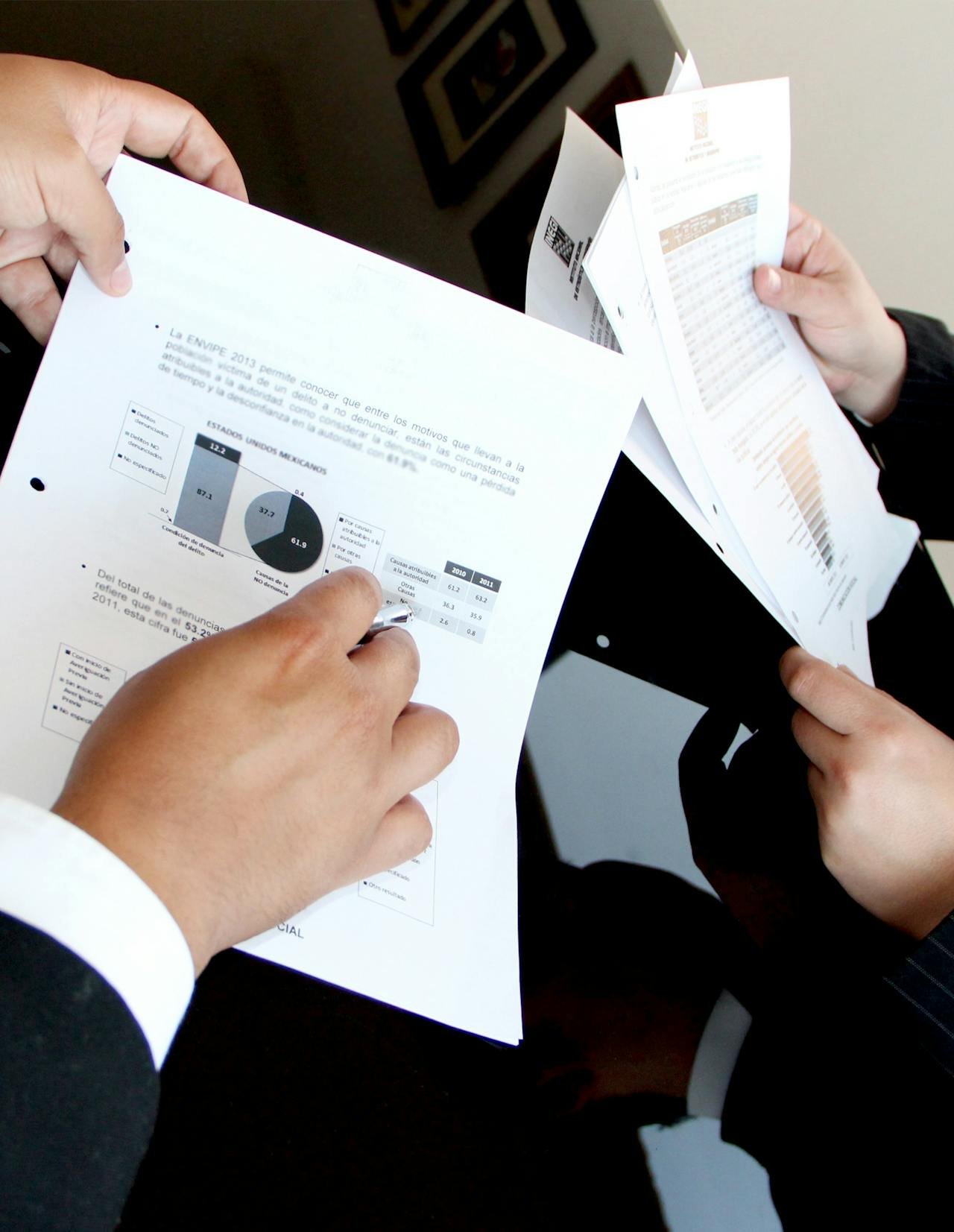
Information is the basis of every successful business decision. Data analytics for small business growth takes that data and analyzes it into actionable insights that create advancement. The urgency to adopt analytics is no longer an option for small businesses; it’s a requirement now. Understanding How Small Businesses Apply Data Analytics will equip decision-makers to make better-informed, recognition based choices that will enhance performance. By adopting Data-Driven Strategies for Small Businesses owners can identify trends that improve customer satisfaction, enhance profitability and sustain long term growth. Overall, Business Growth through Data Analytics gives small businesses the ability to convert unprocessed into measurable results.
Data analytics is the collection, organization and analysis of information that allows for better decision making. Small businesses generate data on a daily basis — from web traffic to sales receipts — yet, much of this data is left unused. By analyzing the data, you can uncover strong trends. For example, learning which products sell best in what months can help better bei influenced inventory management and targeted marketing campaigns.
Transforming Understanding of Your Customers
Knowing your customers instinctively is at the heart of growth. Analytical tools, such as Google Analytics, HubSpot, or CRM systems, enable businesses to track customer behavior — where they come from, what they like, and what keeps them returning to your business.
For example, a café could analyze data to realize that sales increase on rainy days and adjust their promotions accordingly. Or a service-based business could track leads to determine which campaigns generated the most leads in the future.
Improving the Efficacy of Marketing
Small businesses usually function with a strict marketing budget or have their marketing costs pulled in multiple directions. So it is important to maximize every dollar spent. Analytics can help you determine which channels — whether social media, email, or paid advertising — contribute the most to returns. Using tools such as Meta Ads Manager or Google Ads, you will be able to see exactly how things are converting and focus your time and money on testing the ads/campaigns that are performing best.
Analytics also drives personalization. Customers want relevant experiences today, and data allow you to create personalized messages, offers, and, ultimately, products — improving engagement and retention.
Enhancing Operational Efficiency and Resources
In addition to marketing, analytics can improve the way a business operates. Retailers can utilize sales data to project demand, so that they consistently carry the appropriate product. Service businesses can analyze workloads to manage and utilize staff more effectively. Even (and particularly) small restaurants can leverage product presentation information from their POS systems to know what dishes are appropriate to prepare, which dishes are profitable or at a minimum will reduce waste, and when foods can be prepared in maximum volume without having to dispose of too (too = excessive) many excess foods potentially becoming waste.
Creating a Data-Driven Culture and Making Data-Informed Decisions
The highest impact takes place when data becomes ingrained in a company’s culture. Rather than relying solely on gut feelings, decisions are now being made based on quantified knowledge. This increases accountability and consistency — while building trust in every move the company makes.
Conclusion
Data analytics provides clarity for small businesses to grow intentionally. It changes questions of uncertainty into opportunities and enables owners to understand what is happening and more importantly, the reasoning behind it. The power of data tools enables small businesses to think — and act — like a larger business with fewer resources.
2 thoughts on “Utilizing Data Analytics to Grow Your Small Business”