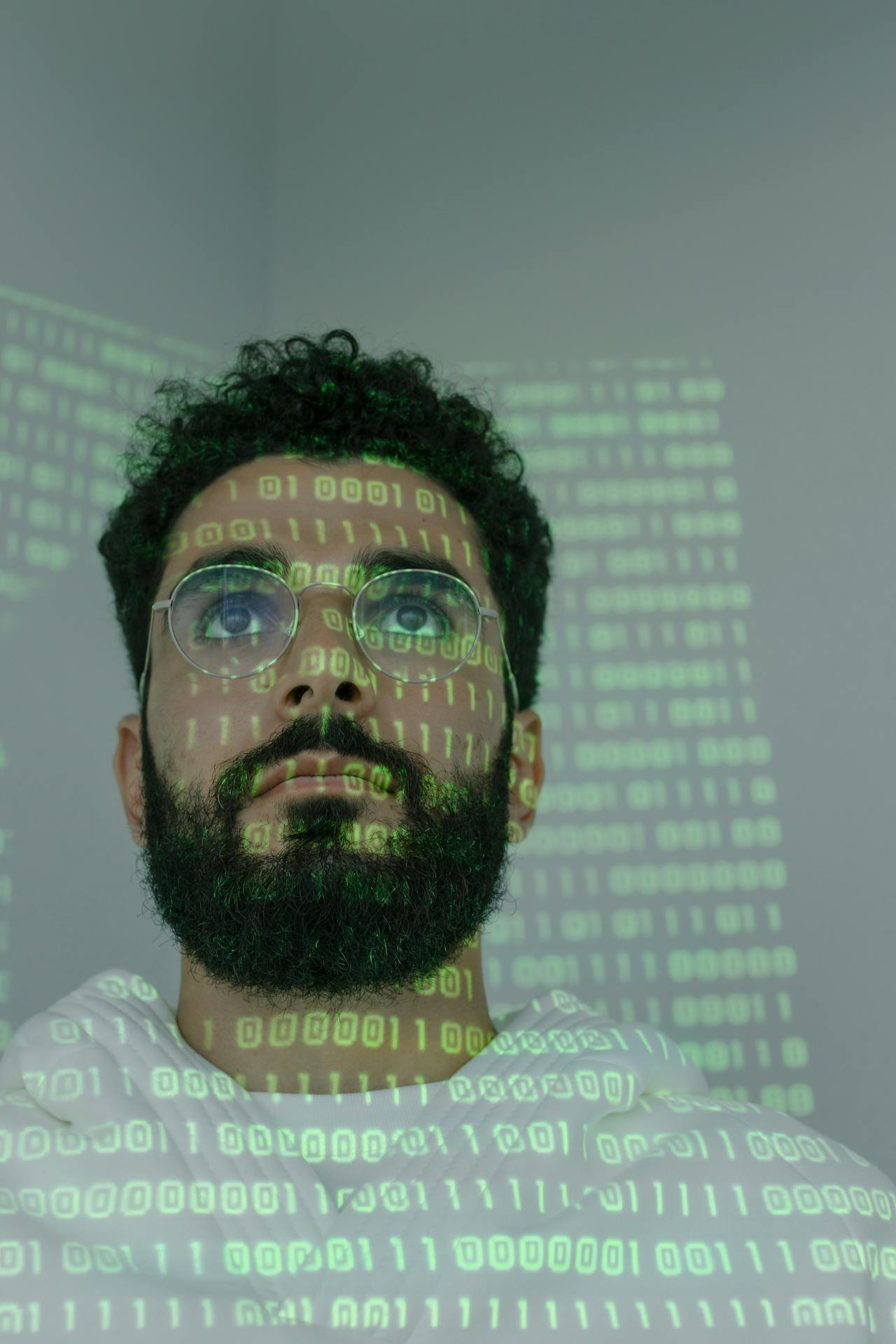
Cybersecurity is the new norm, with organizations now having to adapt to survive. Small businesses must evolve to become smarter, faster, and more sophisticated while utilizing AI to defend against the new threats. In today’s digital landscape, artificial intelligence serves as both a superhero and a supervillain. On one side of the scale, AI is enabling small businesses to analyze, automate, and grow their operations; however, it is also giving cybercriminals smarter and faster means of attack, which can end in dangerous outcomes.
AI: The Defender and the Threat
AI-driven cybersecurity tools are changing how businesses detect and respond to cyberattacks. Traditional systems rely on fixed rules — but AI systems learn from data patterns, adapting to new threats in real time. Platforms like CrowdStrike and Darktrace can automatically detect unusual activity, flag suspicious logins, and isolate compromised systems before damage spreads.
Yet, the same technology is being used by hackers. AI-powered malware can evolve on its own, learn from defenses, and launch personalized phishing attacks that look shockingly real. It’s an ongoing arms race — and awareness is the first line of defense.
Why SME = Small and Medium-Sized Enterprises
Smaller businesses often lack the resources and systems in place to defend themselves. A single breach can expose customer data, drain accounts or temporarily shut down a firm’s ability to conduct its business. The reputational damage could take even longer to repair.
In today’s world of artificial intelligence, protecting your data is as critical as protecting your physical properties.
AI-Based Protection for Small Businesses
The good news is that AI is not only a threat — it’s also the most powerful defense available. AI-based security programs can monitor all systems 24/7 for signs of anomalies, far faster than a human could.
Small businesses can implement cost-effective solutions such as Bitdefender, Sophos, or Microsoft Defender for Business to harness AI’s ability to identify and prevent breaches. These systems analyze and learn over time and will get to know the particular threats that your businesses are susceptible to.
The Human Component
Although technology will undoubtedly help you discover and respond to incidents, it cannot solve every problem. Research indicates that human error causes over 80% of all data breaches — this can include weak passwords, clicking on a suspicious link, and failing to update software.
That is what makes cybersecurity training essential in addition to technology. Educating employees about phishing, secure password habits, and data privacy changes them from potential risks into cybersecurity advocates.
Finding the Right Balance Between Innovation and Privacy
As AI becomes increasingly embedded in business systems, ethical boundaries must be maintained, and compliance is required. For small businesses, it is essential to ensure that AI tools abide by data protection legislation like GDPR or CCPA. Customers’ anxiety over the use of their information is on the rise. Being transparent about your data handling and usage policies can help you build trust, one of the greatest forms of cybersecurity available to any brand.
Conclusion
Cybersecurity in the AI age represents a collaborative effort between humans and machines. The small business that simultaneously deploys intelligent AI tools and has educated employees will create a digital fortress that is both strong and flexible. The businesses that will prosper will treat cybersecurity not as an expense, but as an investment in resilience, reputation, and trust.